Strategic Finance &
Revenue Operations
GTM & FP&A Analyst with 5+ years of experience in High-Growth SaaS. I bridge the gap between Corporate Finance and Sales Ops using SQL, Python, and Driver-Based Modeling to optimize CAC, LTV, and Profitability.
Strategic & Technical Toolkit
- SaaS Metrics (ARR, NRR, Churn)
- CAC Payback & LTV Analysis
- Pricing Strategy & Deal Desk
- Sales Commission Design
- Annual Budgeting & Forecasting
- 3-Statement Modeling
- OpEx/CapEx Planning
- Financial Close & Consolidation
- SQL (Data Mining & Warehousing)
- Python (Pandas, Predictive Analytics)
- Visualization (Power BI, Tableau)
- CRM/ERP (Salesforce, NetSuite)
From Reporting to Value Creation
I don't just report numbers; I drive business expansion. With experience at Tapcheck and Emcentrix, I have partnered with Sales and Executive leadership to deliver real-time pipeline insights that secure capital and accelerate growth.
Whether it's optimizing pricing to boost gross margin by 12% or automating commission structures to lower CAC, I use data to turn Finance into a strategic advantage.
Selected Case Studies
Healthcare Payment Optimization Engine
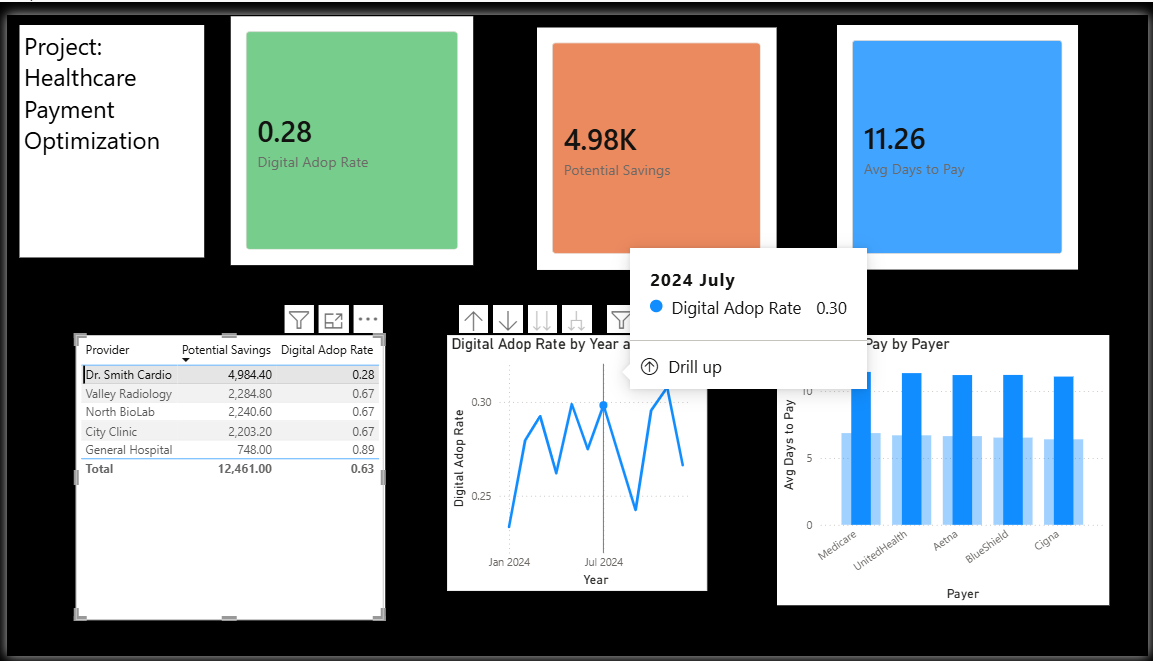
The Business Problem
Rising transaction costs due to paper checks ($3.50/txn) and poor provider experience due to slow payment latency.
The Solution
Built a SQL Stored Procedure to automate "High Risk" provider detection and a Power BI dashboard that identified $15k in potential savings.
SaaS Revenue Intelligence Engine
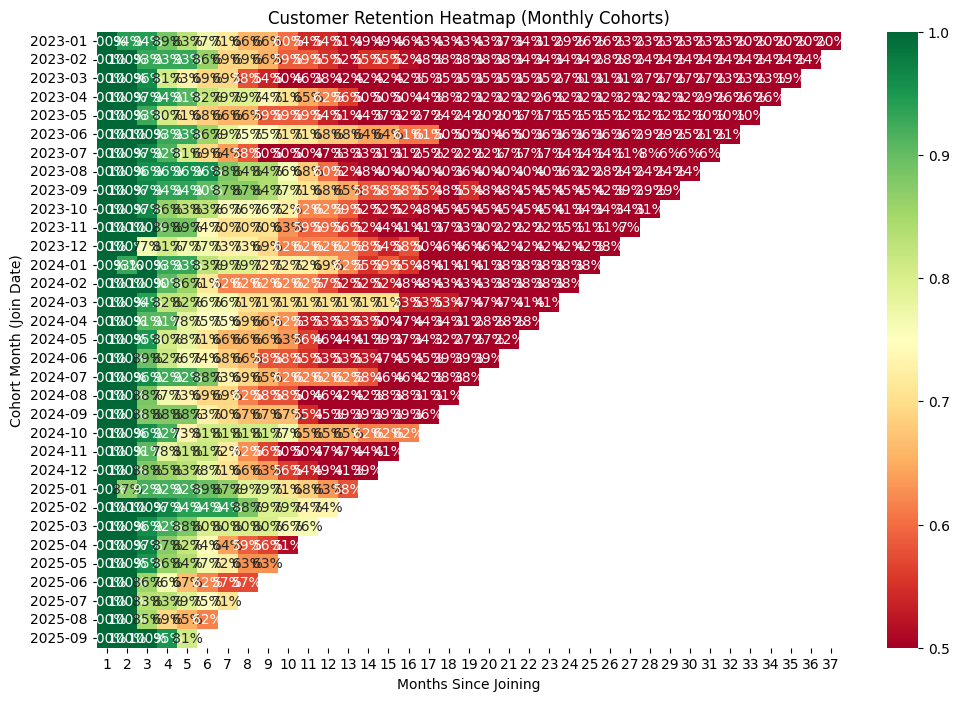
The Business Problem
High acquisition costs were masking a "leaky bucket." Needed to diagnose churn to improve the LTV/CAC ratio for a high-growth SaaS product.
The Impact
Built a Python/SQL Cohort engine. Identified a "Month 4 Drop-off," leading to a strategy shift that improved projected LTV by 15%.
Enterprise Forecasting Transformation

The Business Problem
Forecasting across 16 business units ($500M+ portfolio) was manual and disconnected, leading to inefficient capital allocation.
The Impact
Automated data pipelines and dashboards improved forecast accuracy by 67% and reduced the monthly close effort by 35%.
Credit Risk Modeling
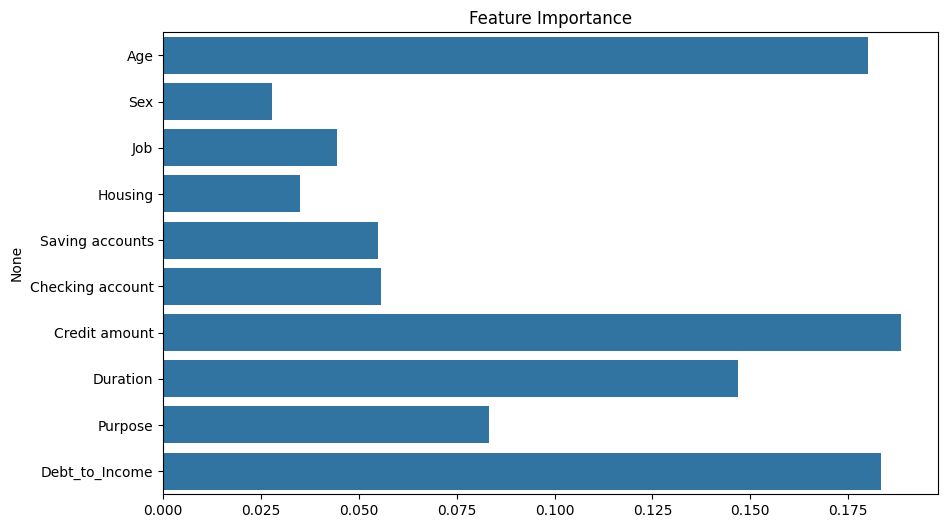
The Question
How can we accurately predict borrower default risk to minimize bad debt exposure while maintaining loan velocity?
The Outcome
Used SMOTE and Random Forest to achieve 93% accuracy, identifying interest rates as the #1 risk factor for the portfolio.